
/he
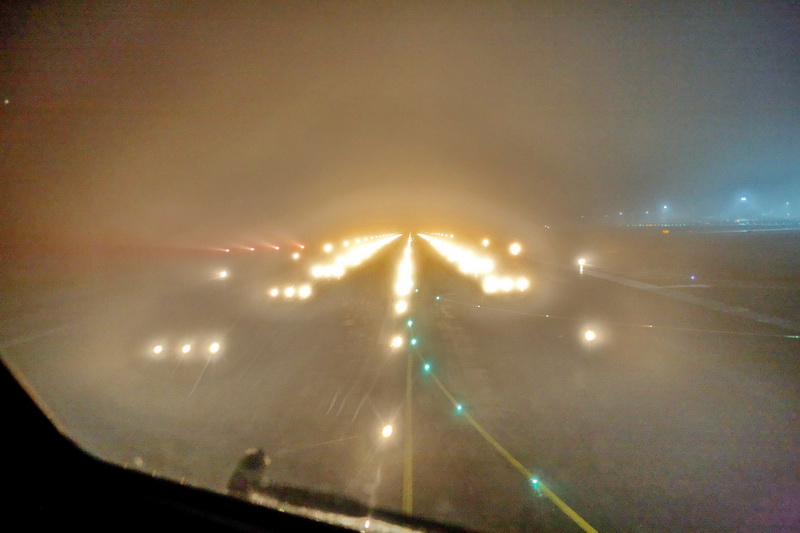
Reject or get airborne?

Go around or continue?

Divert, and if so, where to?
If our reaction is quick, but the decision isn’t the right one, we are just moving rapidly in the wrong direction.
In the typical simulator drill, we shine. Consider our typical rejected take-off exercises. The setup is more or less foreseeable, the situation unambiguous, the actions are clear and well rehearsed. The examiner ticks off a box, gives feedback where needed, highlights any minor deviation observed and signs the form. Mission accomplished.
But how well does this prepare us for real life scenarios? For that take-off out of about 6000 where, out of the blue and on the last leg of the day, a display starts to flicker, an unusual noise seems to be getting louder, or a less than intuitive alert message displays? For the approach where, below 1000 feet and with a not so luxurious fuel reserve, a hydraulic system is lost? For the engine failure in cruise while an autumnal cold front is sweeping the alternates below?
Human decision making is limited by
– available information
– available time
– the mind’s information processing ability.
Herbert A. Simon, 1916-2001, Nobel Prize Laureate
While available time and information in many cases are not under our control, we can improve the mind’s information processing ability. This is possible because it is far easier for the mind come up with a solution or strategy if a similar problem has been handled in the past – even, if this has only been accomplished virtually or mentally.
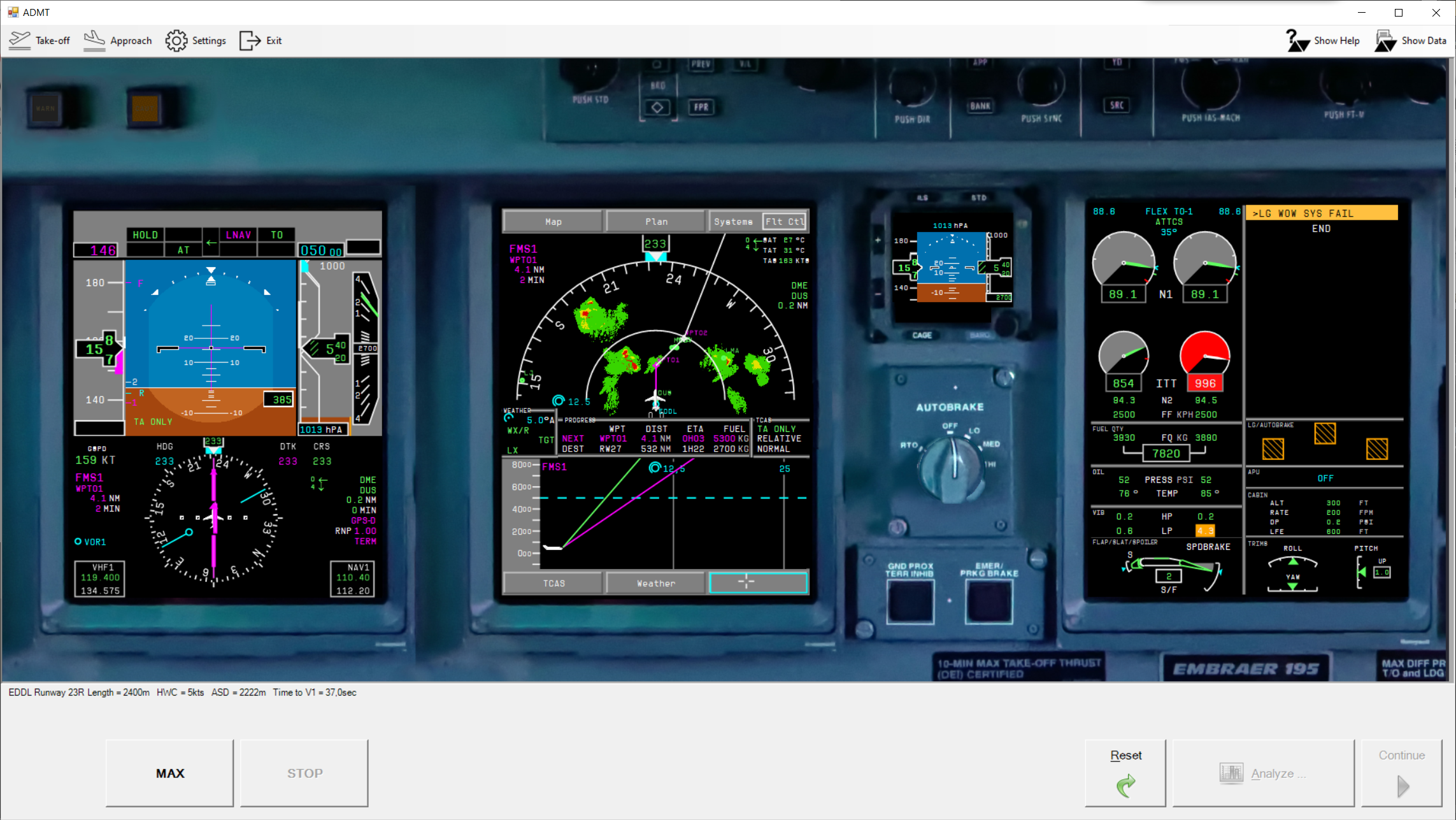
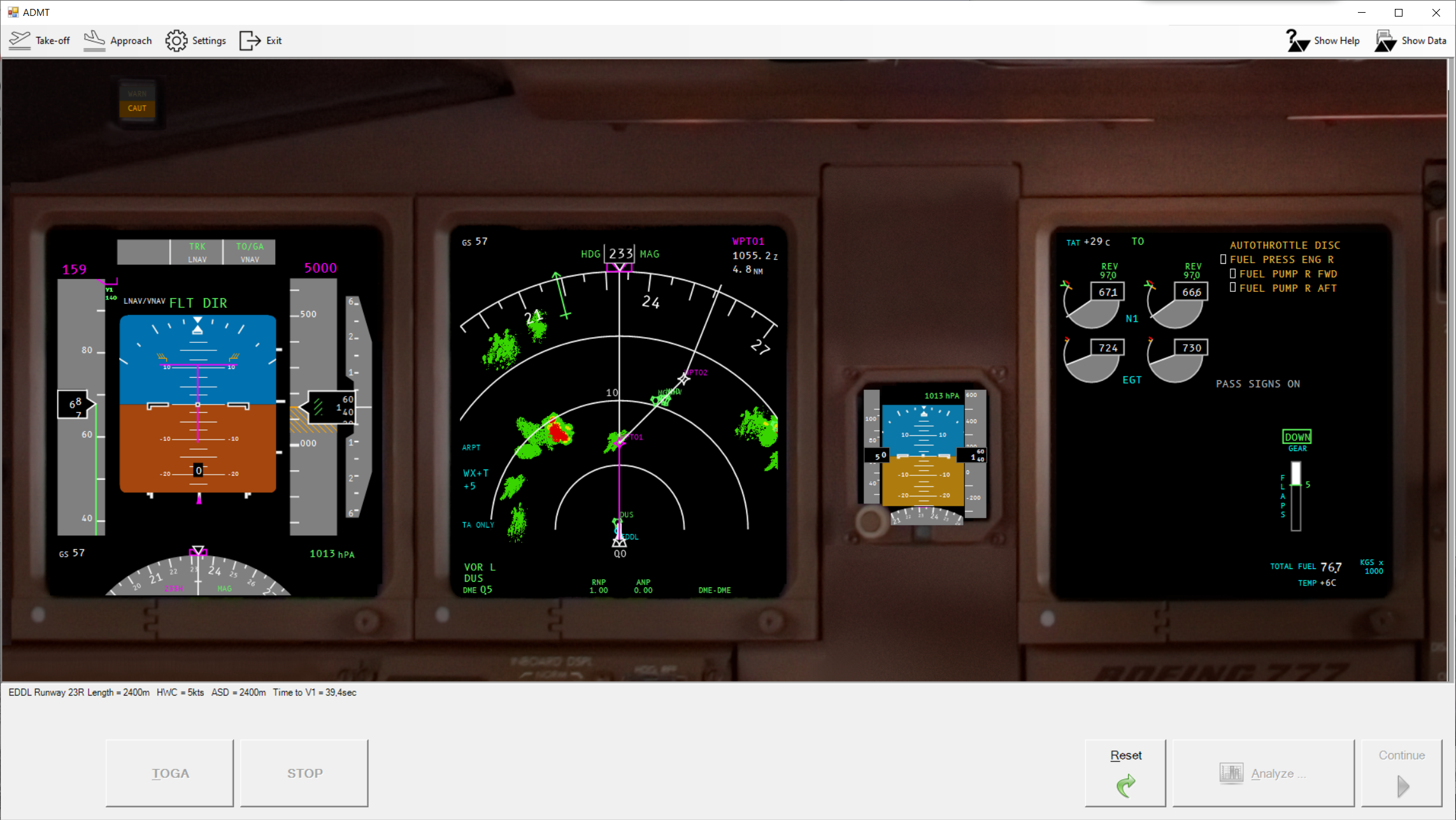
ADMT, by letting pilots take the actual decisions using our dedicated, type specific simulation software, increases the capability to cope with startle and surprise, lack of information or information overload, and time pressure. Benefits will include improved system knowledge, risk awareness, and general decision making skills in complex and ambiguous situations.
ADMT is a new way of flight crew training – intuitive, efficient, adaptable, online or offline, as part of a pre-session briefing or in the classroom. And, it is so much less costly and more versatile than training decision making competencies in a full flight simulator. A 90 minute work shop will give up to 10 participants new insights, engage them, and prepare them better for what their future flights may challenge them with.
ADMT. The flight crew decision making lab.
 ADMT
ADMT 