
Rejected Take-off above V1
Omni Air Boeing B767-300, Shannon
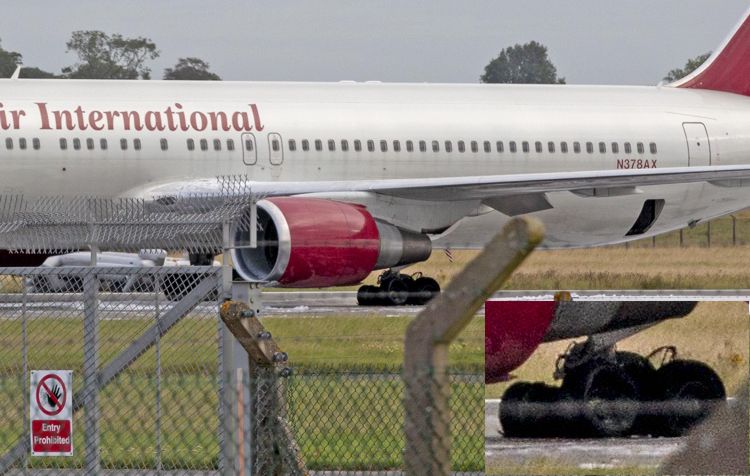
Conditions and Environment
METAR EINN 150530Z 27008KT 9999 BKN027 14/12 Q1013 NOSIG
- Good conditions: Daylight, good visibilities, light headwind.
- Runway wet.
- No aircraft deficiencies.
- No brake temperature sensors installed.
- Experienced and fully qualified crew. The first officer was significantly more experienced than the commander.
- Take-off on runway 24, 3199×45 meters.
Incident/Accident
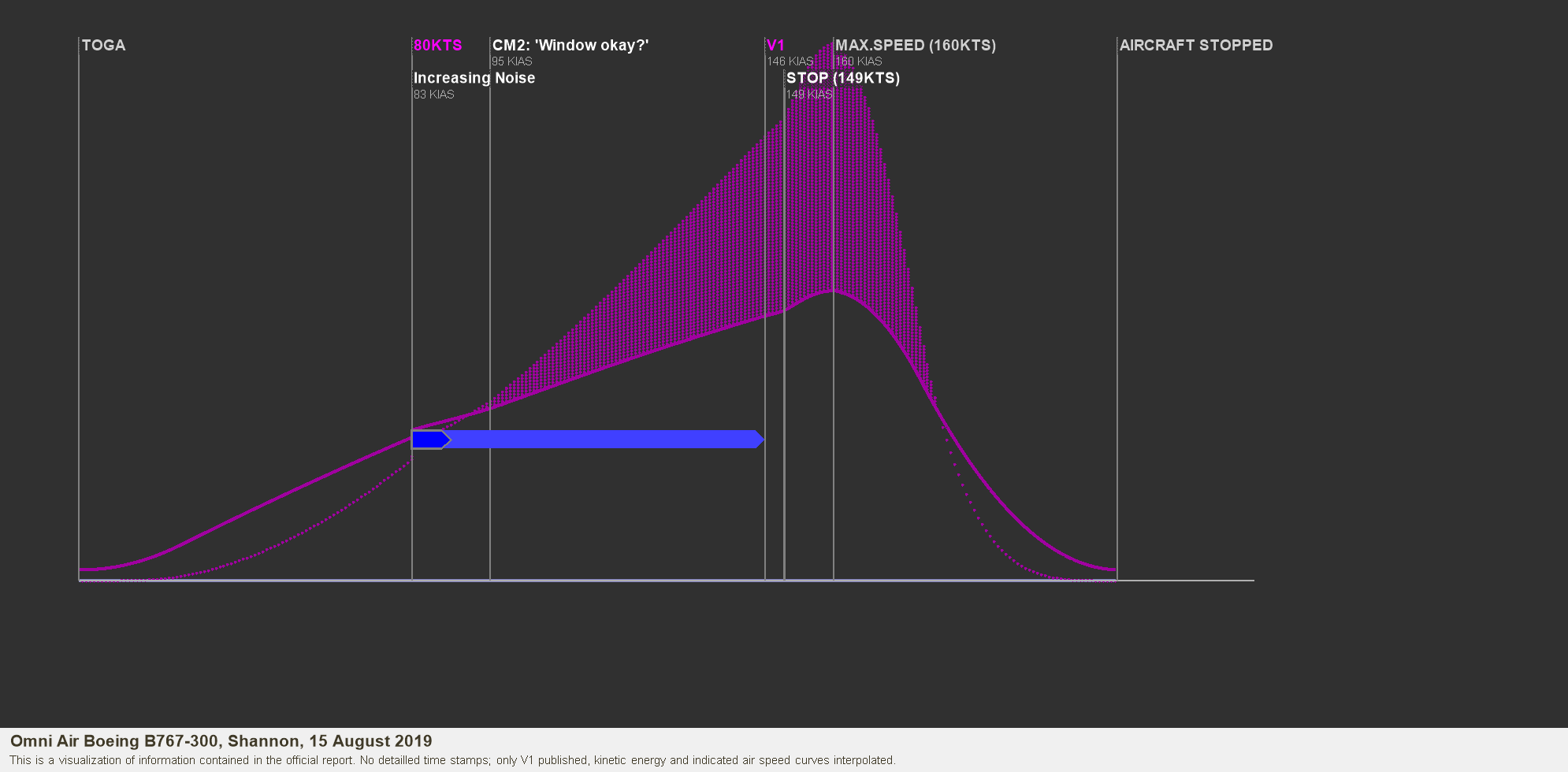
- Starting at about 80 KIAS, an unusual noise was heard, originating from the left side of the flight deck, increasing in volume.
- The first officer reported he queried the commander, “Window okay?”, as he had on another take-off experienced a similar noise due to a window being not fully locked. He was unsure if the commander was able to hear or understand his question.
- The commander decided to reject the take-off due to the noise about seven seconds later at a speed of 149 KIAS, three knots above V1 (146 KIAS).
- A V1 call was not audible on the Cockpit Voice Recorder.
- Computed maximum speed reached was 160 KIAS.
- The crew vacated the runway, and, after consulting maintenance and attributing the noise to the left flight deck window not being properly locked, requested a taxi-in to a remote stand.
- The commander estimated the speed at the time of the RTO as 100 KIAS, and the crew agreed to use 120 KIAS to calculate a brake cooling time of 44 minutes.
Outcome
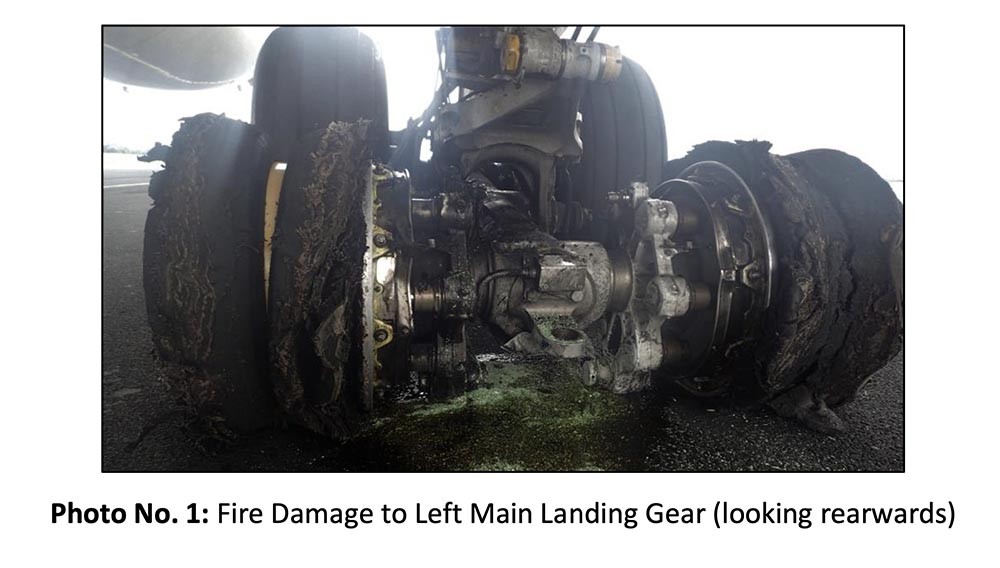
- 26 minutes after the RTO, tower reported smoke emanating from the left main gear. A fire service vehicle was dispatched upon request from the crew.
- 28 minutes after the RTO, a fire was reported on the left main gear.
- The aircraft was evacuated upon information and suggestion by the tower controller.
- One minor injury due to the evacuation.
How do unusual noises affect us?
How good is our perception in high workload situations with startle and surprise?
Do we fully understand the rapid increase of kinetic energy for every second in the high speed regime?
The purpose of this short presentation is to focus on threats and challenges in RTO decision making. It is not the intention to judge the performance of the crew at any time or in any way.
Source and detailled information: Official Report (AAIU Ireland); see the Aviation Herald for a summary.
 ADMT
ADMT 