
Rejected Take-off above V1
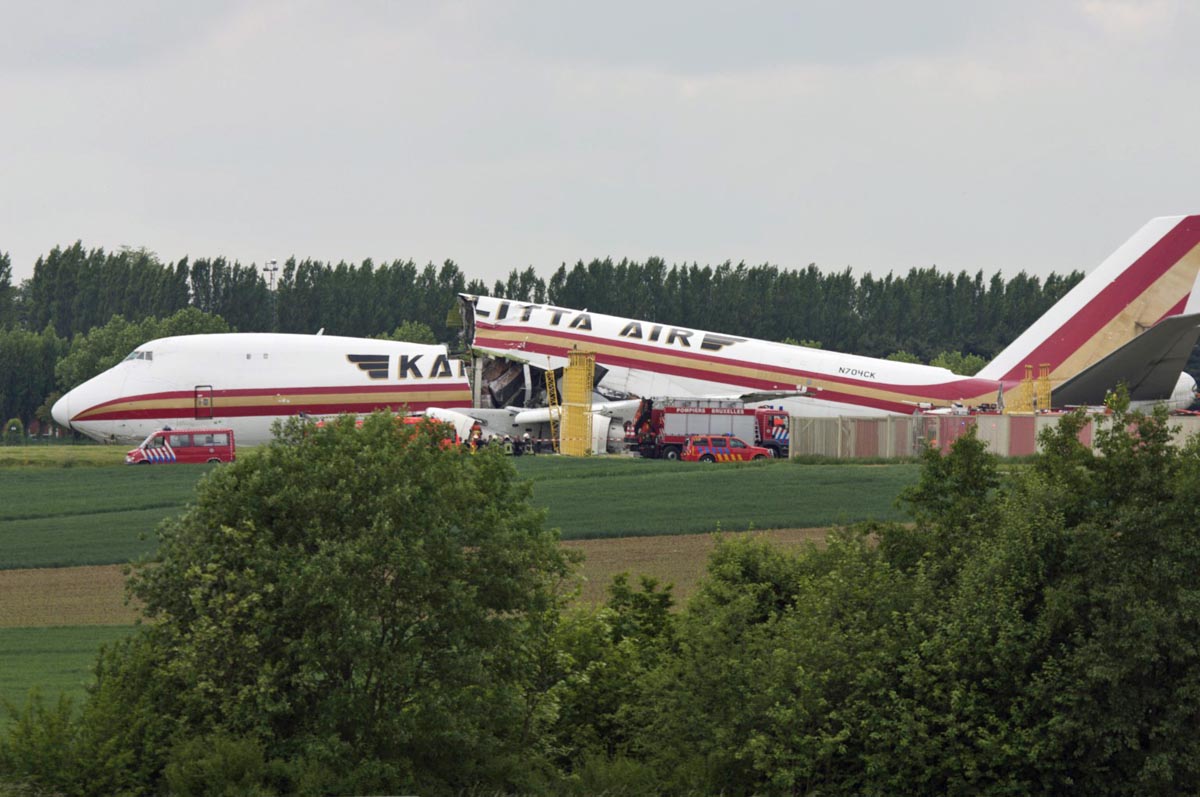
Kalitta Air Boeing B747-200, Brussels
Conditions and Environment
EBBR ATIS U 1120Z 24002KT 190V320 9999 SCT020 BKN040 19/14 Q1012N
- Good conditions: Daylight, good visibilities, light headwind.
- No precipitation, but runway reported wet.
- No aircraft deficiencies.
- Experienced and fully qualified crew.
- Take-off on runway 20, 2987×45 meters.
Incident/Accident
- A departure from intersection B1 was performed although the crew had used full runway length to determine take-off performance. Stop margin was calculated at 273 meters.
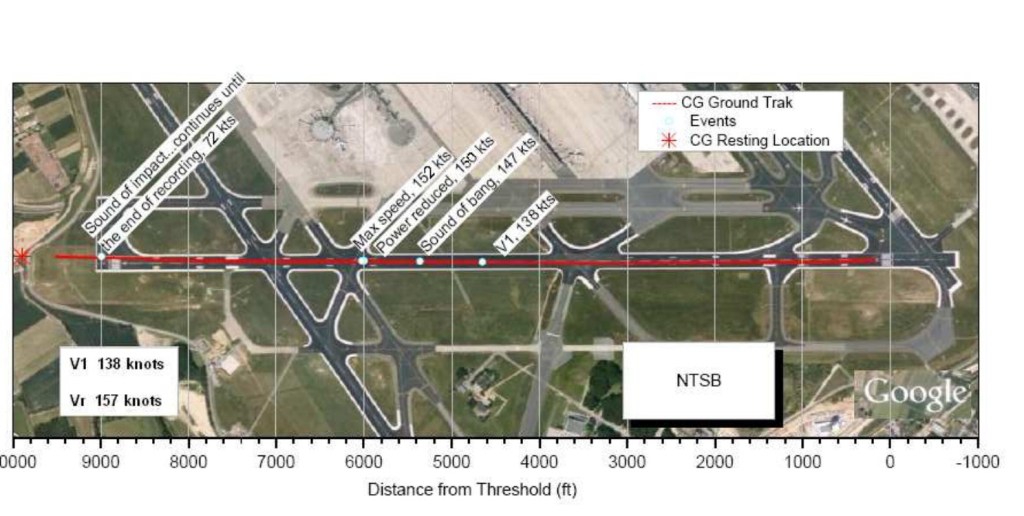
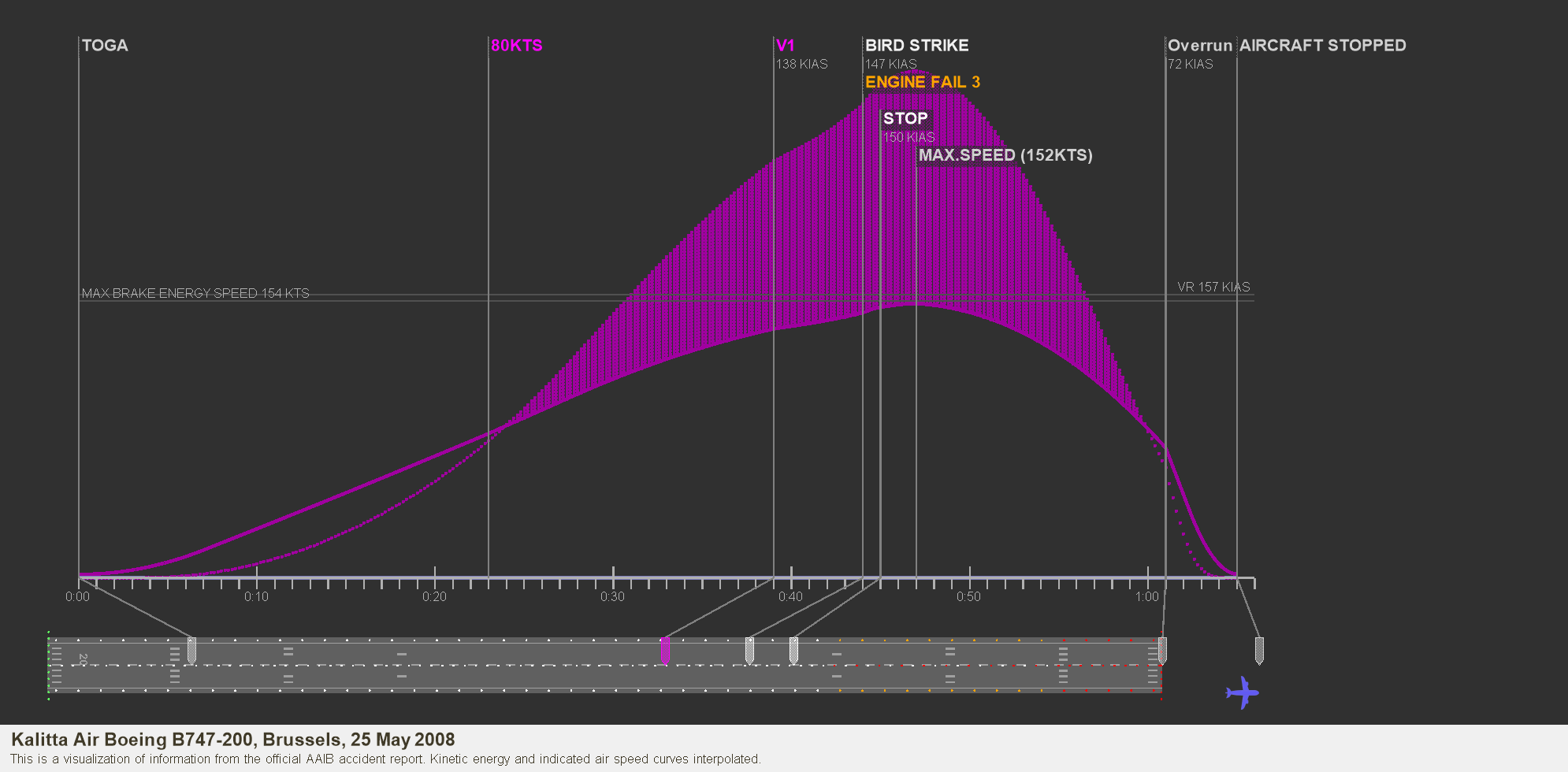
- At 147 KIAS, 9 knots above V1, engine no. 3 ingested a bird from the falcon family (European Kestrel) and stalled with a loud bang.
- Thrust was reduced at 150 KIAS, 12 knots above V1; maximum speed reached was 152 KIAS.
- The aircraft’s kinetic energy at this point was close to the maximum brake energy limit (about 98%).
- The thrust reversers were not deployed during the rejected take-off.
Outcome
- Two tires blown during braking
- Runway end reached at a speed of 72 knots.
- Hull loss, fuselage broken into three parts.
- Wings and fuel tanks remained intact; no fire.
- Minor injuries to the crew.
Why do we reject above V1?
How big is the pressure to “just do something” when we hear a loud bang or a master warning?
More Accidents and Incidents – Rejected take-offs above V1
The purpose of this short presentation is to focus on threats and challenges in RTO decision making. It is not the intention to judge the performance of the crew at any time or in any way.
Source and detailled information: Official Report (AAIB Belgium); see the Aviation Herald for a summary.
 ADMT
ADMT 