
Continued Take-off
China Eastern Airbus A320-200 and Airbus A330-300, Shanghai
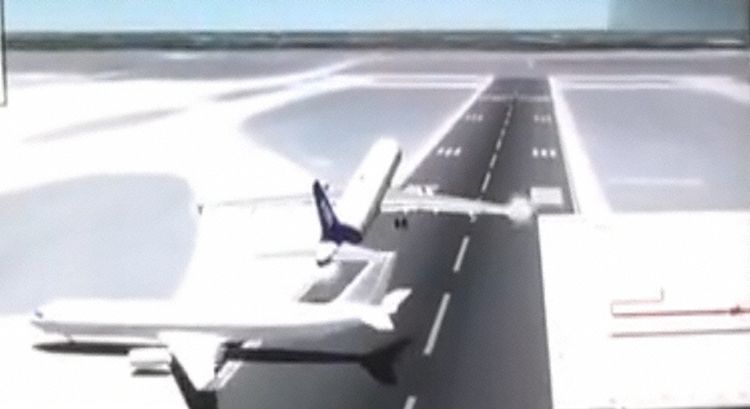
Conditions and Environment
ZSSS 110430Z 06004G09MPS 320V100 CAVOK 25/11 Q1018 NOSIG
- Good visibilities and conditions.
- No aircraft deficiencies.
- Experieenced crews.
- Airbus A320 taking off from runway 36L.
Incident/Accident
- The tower air traffic controller erroneously cleared the A330, which had just landed on runway 36R, to cross 36L at intersection H3.
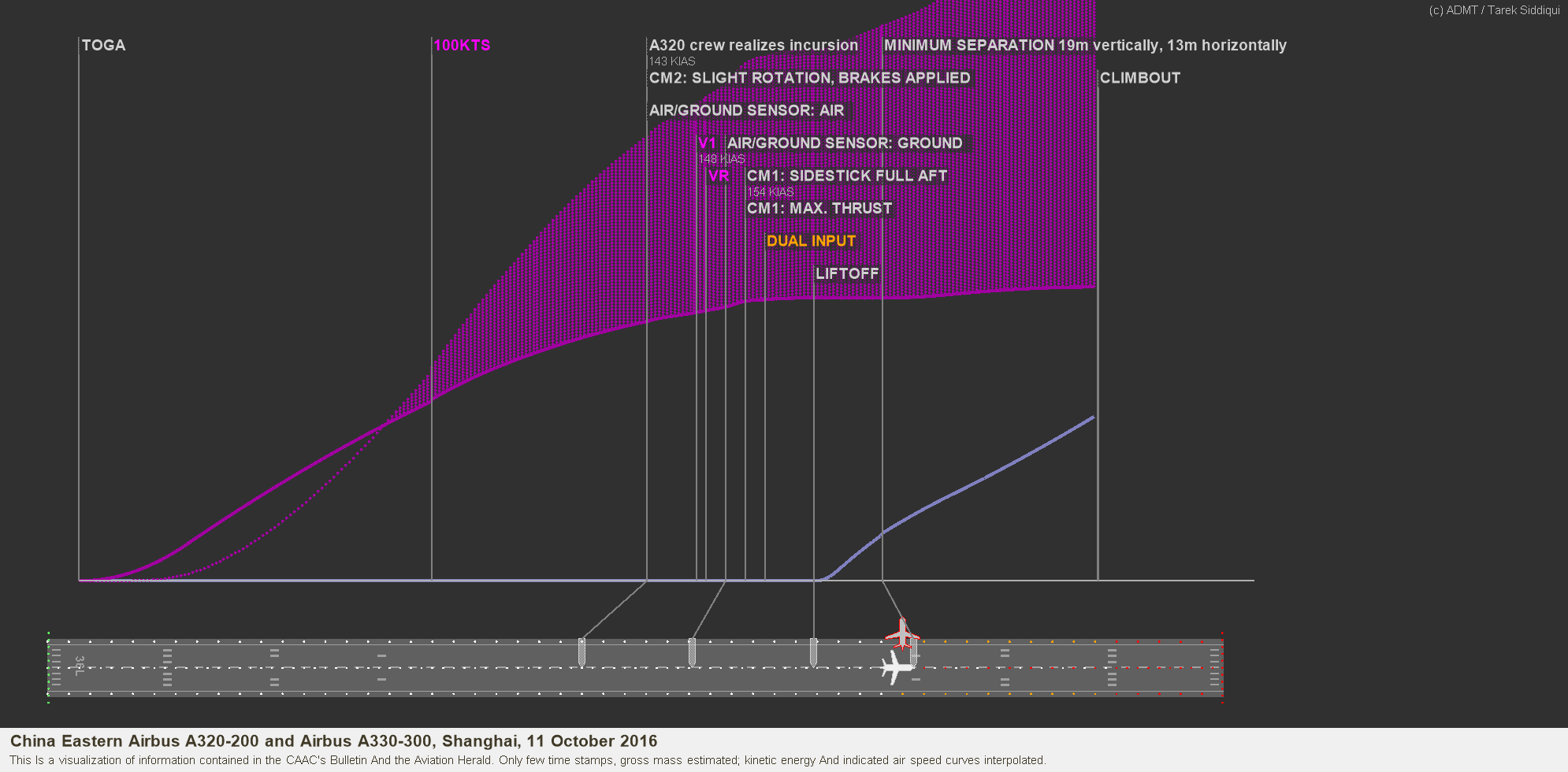
- In a preliminary notice, the Chinese CAAC reported the first officer briefly applied the brakes when the crew first spotted the A330.
- At 143 KIAS, 5 knots below V1 and about 590 meters from H3, he A320 crew realized the A330 was about to enter the runway.
- At 149 knots, two knots after VR, the first officer started to pull back slightly on the sidestick, but the aircraft settled back on the runway.
- The first officer was hesitant for four seconds, and at 153 knots the commander took control.
- He pulled his sidestick to the mechanical stop, which generated a “Dual Input” warning, and advanced thrust levers from FLEX/MCT to TOGA.
- About 250 meters from the intersection at H3 the main wheels became airborne.
- Minimum vertical distance between the two aircraft was 19 meters vertically, 13 meters horizontally.
Outcome
- No injuries to the 413 passengers and 26 crew on board both aircraft
- No aircraft damage.
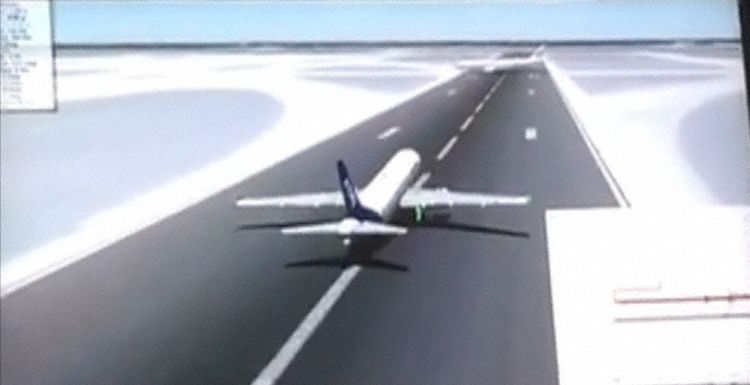
Why are crews likely to attempt to get airborne in a scenario like this? See also KLM B747 and Pan Am B747, Tenerife/Los Rodeos, 27.03.1977.
More Accidents and Incidents – Continued Take-offs
The purpose of this short presentation is to focus on threats and challenges in RTO decision making. It is not the intention to judge the performance of the crew at any time or in any way.
Source and detailled information: Aviation Herald, quoting from the final report of the Chinese CAAC.
 ADMT
ADMT 