
Rejected Take-off above V1
Jet2 B737-800, East Midlands
Conditions and Environment
EGNX 091120Z 21037G48KT 9999 -RA BKN016 12/10 Q0980N
- Daylight, light rain, strong and gusty headwind with significant crosswind component due to storm Ciara.
- No aircraft deficiencies.
- Experienced and fully qualified crew, concise departure briefing including windshear procedures.
- Take-off on runway 27, 2893×46 meters.
- The take-off wind was given by tower at 22032KT, which was confirmed by the crew to be very close to, but within the applicable crosswind limit of 25 knots.
Incident/Accident
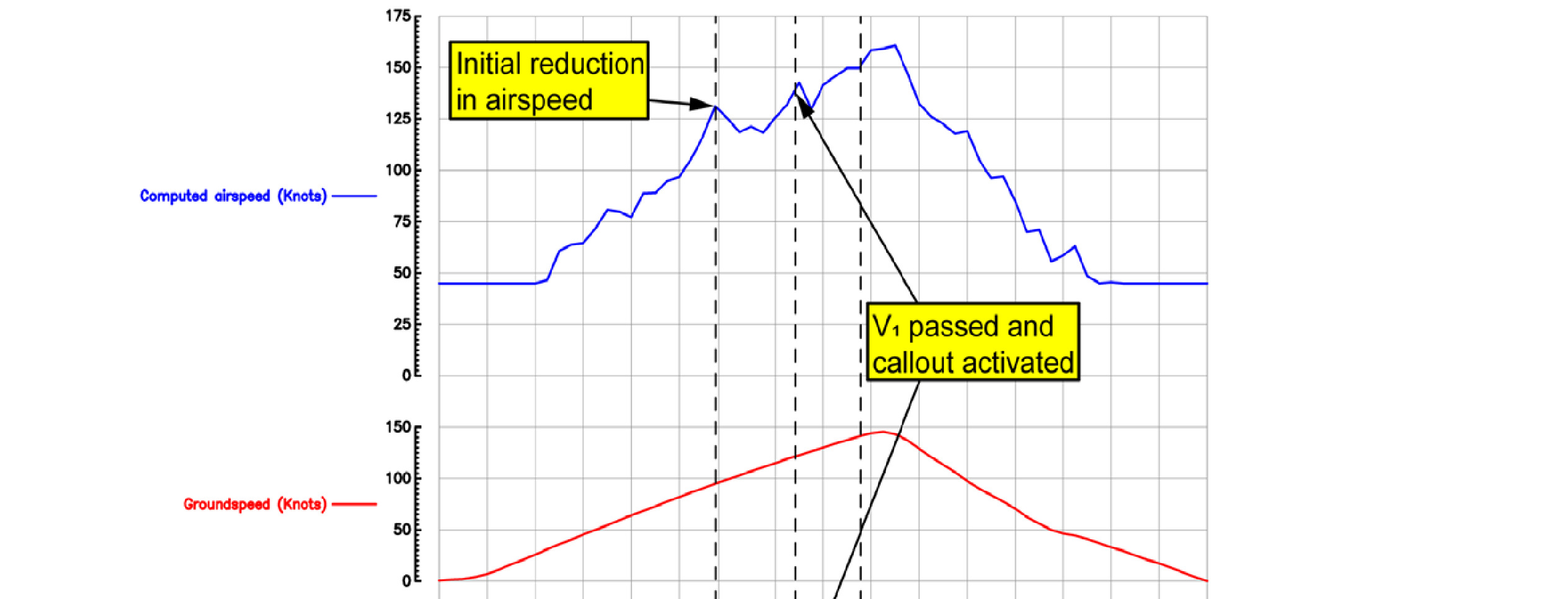
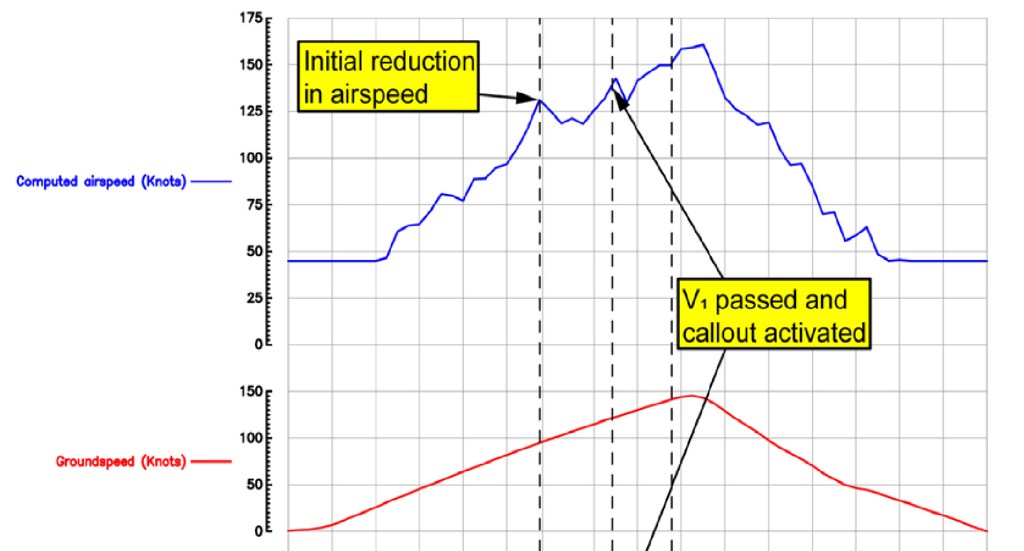
- At 131 KIAS, 13 knots speed loss due to gust; airspeed recovered and take-off continued
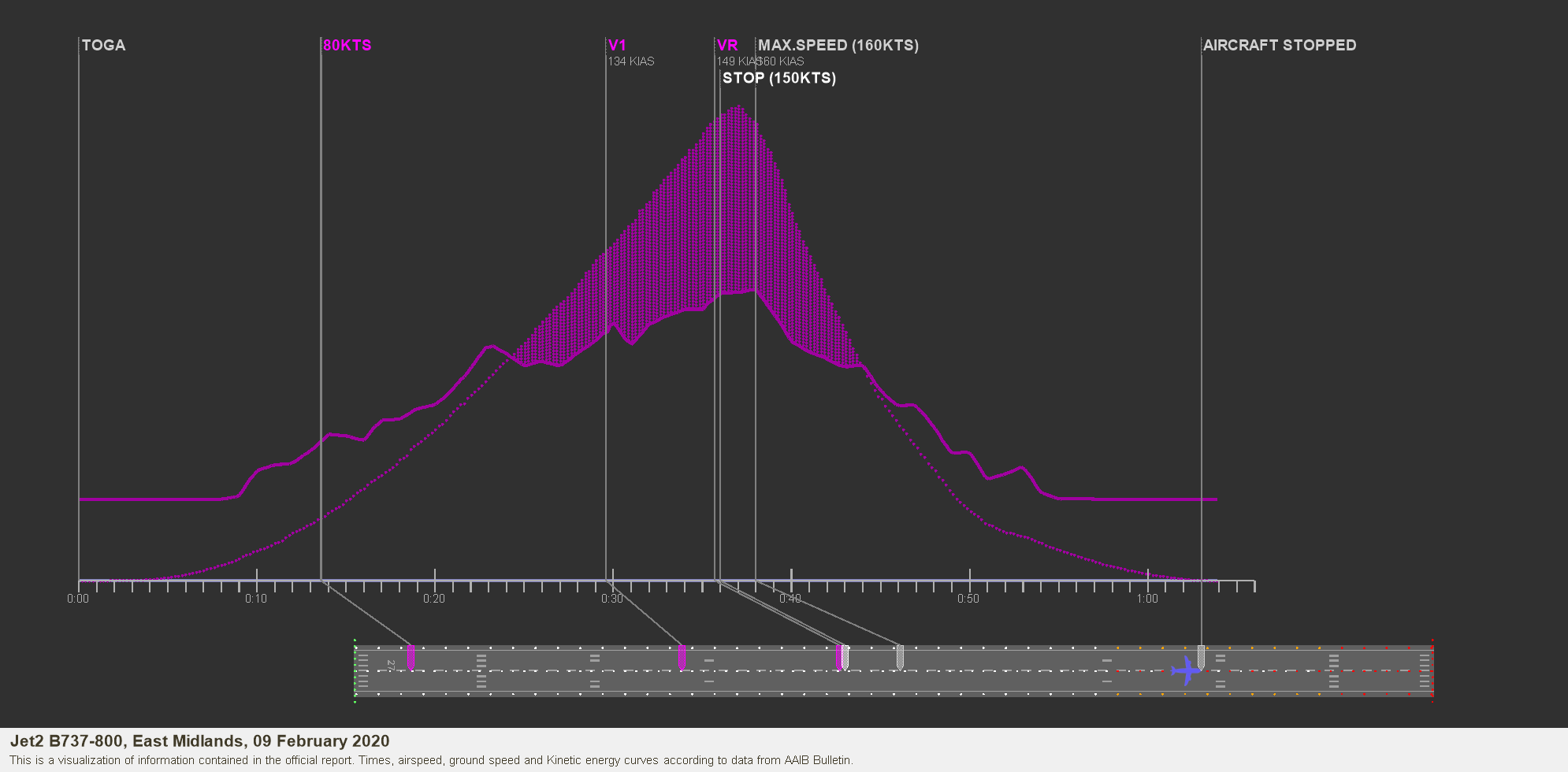
- V1 was called out automatically at 134 KIAS (VR 149 KIAS)
- At 142 KIAS, again 13 knots speed loss and heading change of about eight degrees to the right due to a side gust. The airspeed recovered quickly, directional control was maintained by the first officer as Pilot Flying.
- A rejected take-off was initiated at 149 knots, 15 knots above V1. Maximum speed approximately 160 KIAS
- Perception of the commander: Significant windshear, airspeed below V1, and directional control problems with a heading change of 20-30 defgrees.
Outcome
- Aircraft stopped with approximately 600 meters margin.
- No injuries, taxi-in performed, normal disembarkation.
- Number 4 brake and gear unit overheat and damage, all tires replaced.
How do we evaluate stop margin above V1, especially in a windshear? How good is our perception?
More Accidents and Incidents – Rejected take-offs above V1
The purpose of this short presentation is to focus on threats and challenges in RTO decision making. It is not the intention to judge the performance of the crew at any time or in any way.
Source and detailled information: Bulletin (AAIB UK); see the Aviation Herald for a summary.
 ADMT
ADMT 