
Continued Take-off
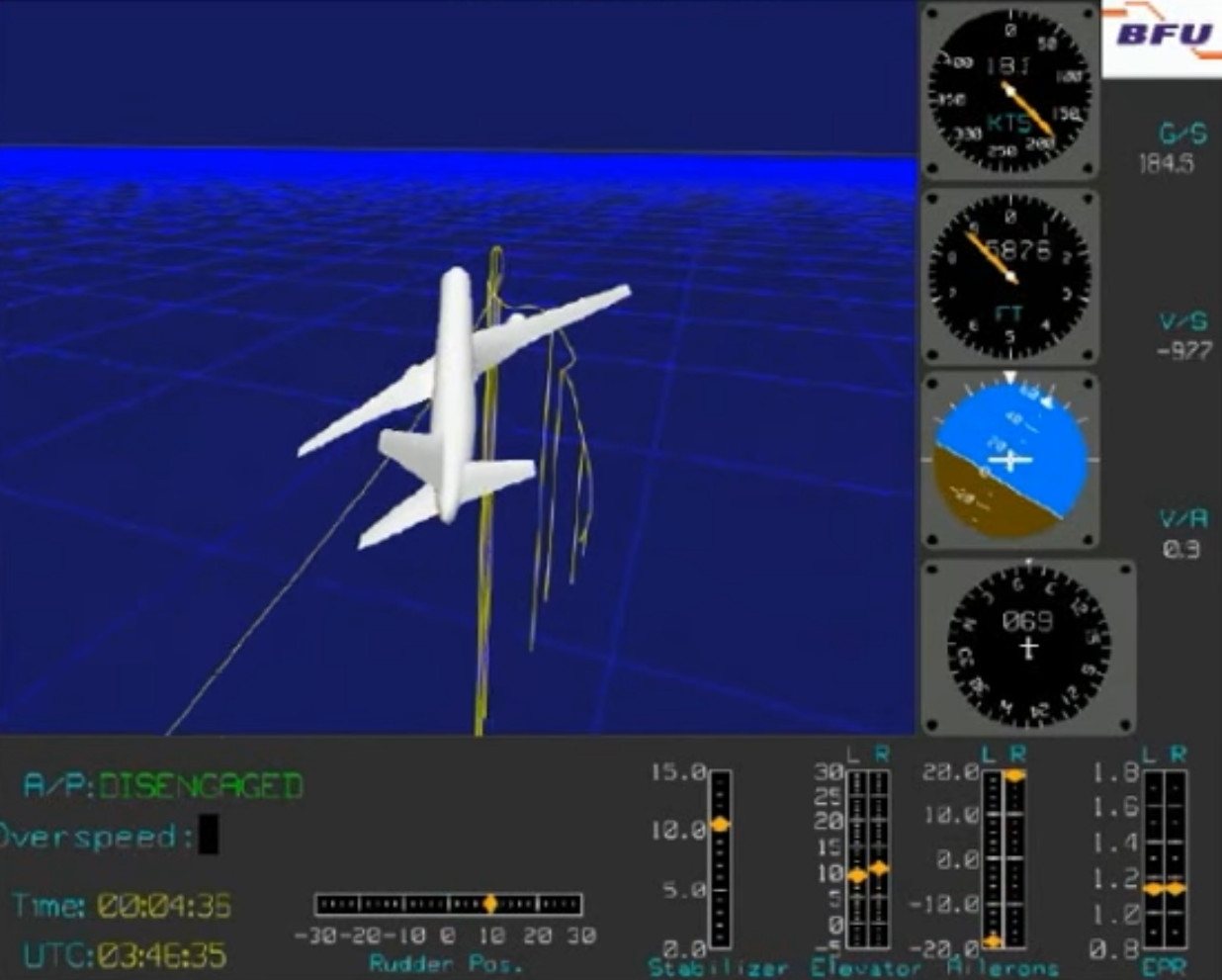
Birgenair Boeing 757-200, Puerto Plata
Conditions and Environment
MDPP 070300Z 07006KT 6000 -TSRA SCT018CB BKN070 23/21 Q1017
- Night takeoff.
- Experienced crew with a significant difference in flight hours (CM1: 24750, CM2: 3500).
Incident/Accident
- No indication on left airspeed indicator during take-off
- Recognized at 80 knots, but take-off continued
- Left airspeed indicator started indicating after liftoff, but increasingly high with increasing altitude
- First officer’s and Standby airspeed indicator most likely correct
- Auropilot engaged with source left, high pitch angles commanded due to the erroneous airspeed, which also generated an overspeed warning.
- Thrust was reduced, 10 seconds later the stick shaker activated as the aircraft approached a stall, and the overspeed warning was identified as false.
- The autopilot stabilizer trim inputs and an the left engine stalling with a roll resulting prevented an effective stall recovery.
Outcome
- Loss of control in flight.
- The aircraft impacted the sea with significant vertical speed and disintegrated.
- 189 fatalities, no survivors.
Why may crews be go minded when it comes to unreliable airspeed indications?
More Accidents and Incidents – Continued Take-offs
The purpose of this short presentation is to focus on threats and challenges in RTO decision making. It is not the intention to judge the performance of the crew at any time or in any way.
Source and detailled information: Official report by the DGCA, flight data visualization by the German BFU.
 ADMT
ADMT 